Exploring the Fascinating History of Casinos A Journey Through Time
The Origins of Gambling
The practice of gambling can be traced back to ancient civilizations, with evidence from archaeological sites revealing that various forms of gaming existed as early as 3000 BC in China. These early games often involved simple dice made from animal bones, and the idea of wagering on outcomes was already present. From the Chinese, gambling spread to other regions, including Greece and Rome, where citizens enjoyed various games such as knucklebones and betting on gladiatorial contests. In the modern era, many gamers are turning to sites like https://mafia-casino.nz/ for their gaming experiences.

In ancient Rome, gambling was both a popular pastime and a regulated activity. The government established rules to control wagering, reflecting the cultural significance of games of chance. The Romans developed elaborate board games and betting systems, showcasing their advanced understanding of probability and risk. As these practices flourished, gambling became ingrained in social customs, influencing the way people interacted and entertained themselves.
As we move into the Middle Ages, gambling continued to evolve. During this period, the establishment of the first official gambling houses in Italy laid the groundwork for modern casinos. These establishments, known as “ridotti,” were secretive venues where nobles engaged in card games, fostering a culture of exclusivity and high stakes. The combination of socializing and gaming created an environment that would eventually lead to the creation of public casinos in the centuries to come.
The Rise of Formal Casinos
The 17th century saw the emergence of formal casinos, particularly in Venice, Italy. The Casino di Venezia, established in 1638, is often credited as the world’s first official casino. This venue not only provided gambling but also served as a social hub for the elite, highlighting the intertwining of social status and gaming. Its architectural beauty and luxurious atmosphere attracted players, leading to a surge in casino popularity across Europe.
Throughout the 18th century, casinos proliferated across Europe. Countries like France embraced gaming houses, and Paris became a central hub for gambling culture. The establishment of the famous Casino de Spa in Belgium further popularized the casino concept, offering diverse games such as roulette and blackjack. This era marked the transition of gambling from informal gatherings to organized, commercially successful enterprises.
With the growth of casinos, governments began regulating these establishments, recognizing their potential to generate revenue through taxation. As a result, laws were enacted to ensure fair play and protect players. This shift towards regulation laid the groundwork for the development of modern gambling laws and practices, creating a structured environment where players could enjoy games with confidence and integrity.
The Influence of Technology on Gaming
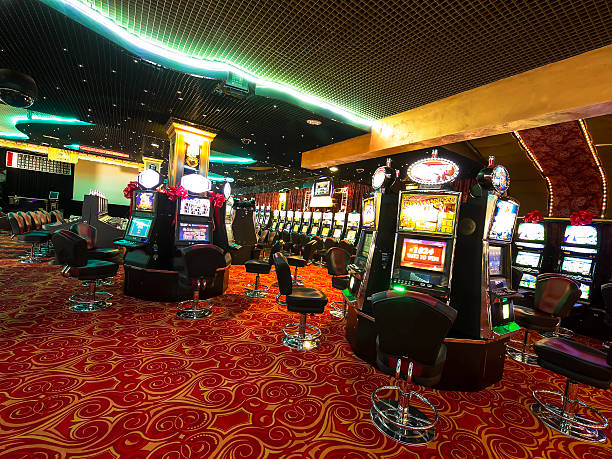
The 20th century marked a significant turning point for casinos with the advent of technology. The introduction of slot machines revolutionized the gambling landscape, allowing for a more casual gaming experience. These machines, initially mechanical, evolved into electronic versions by the late 1970s, attracting a broader audience. Players could now enjoy a quick, entertaining way to gamble without needing to engage in complex games.
The rise of the internet in the late 20th century propelled the casino industry into a new realm. Online casinos emerged, allowing players to gamble from the comfort of their homes. This shift not only expanded the reach of gambling but also introduced innovative gaming options. Virtual slots, live dealer games, and mobile gaming applications created a seamless experience, catering to a generation that craved convenience and accessibility.
As technology continues to evolve, so does the casino experience. The implementation of virtual reality (VR) and augmented reality (AR) in gaming is on the horizon, promising an immersive experience that blurs the line between reality and the virtual world. Gamblers can expect to engage with live dealers and other players in lifelike settings, creating a social atmosphere reminiscent of traditional casinos, yet enhanced by cutting-edge technology.
The Legal Landscape of Gambling
The legal status of casinos varies significantly across the globe, influenced by cultural, religious, and political factors. In the United States, the legalization of gambling began in Nevada in 1931, which set a precedent for the establishment of Las Vegas as the gambling capital of the world. This pioneering move showcased how legalized gambling could stimulate economic growth, attracting millions of visitors and generating substantial tax revenue.
Other regions followed suit, with states and countries enacting their gambling laws to control the industry. The introduction of various gaming licenses, regulations, and oversight bodies became essential to ensure fair play and protect consumers. However, the legality of gambling remains contentious in some places, with ongoing debates regarding moral implications and social consequences.
In recent years, the rise of online gambling has sparked a reevaluation of legal frameworks. Many jurisdictions are adapting to the digital landscape, seeking to regulate online casinos effectively. This shift emphasizes the need for responsible gaming practices, player protection, and the challenge of addressing issues such as addiction and fraud. As the landscape continues to change, the future of casino regulations will likely evolve alongside technological advancements.
The Future of Casinos
The future of casinos appears bright, driven by innovation and an increasing demand for unique gaming experiences. The integration of artificial intelligence (AI) into gaming operations is likely to enhance customer service and personalize the gaming experience. Casinos can utilize AI to analyze player behavior, optimize game offerings, and create tailored promotions, ensuring that players feel valued and engaged.
Furthermore, the focus on sustainability is becoming more prominent in the casino industry. Many establishments are adopting eco-friendly practices, from energy-efficient designs to waste reduction initiatives. As global awareness of environmental issues grows, casinos are recognizing the importance of aligning their operations with sustainable values, which can also attract eco-conscious players.
Ultimately, the blending of technology and gaming will continue to shape the future of casinos. Virtual reality gaming rooms, online and mobile gaming, and interactive experiences will redefine how players engage with their favorite games. As the industry evolves, casinos will need to adapt, ensuring they remain relevant in an ever-changing landscape while providing safe and enjoyable experiences for all players.
As we journey through the history of casinos, it’s evident that these establishments have come a long way from their ancient roots. From the early days of simple dice games to the sophisticated technology-driven environments of today, casinos continue to captivate audiences worldwide. For those looking to experience the thrill of gaming firsthand, consider visiting an online platform that offers a diverse range of games, promotions, and a secure environment for players. The world of casinos awaits, promising excitement and entertainment for everyone.